Memory Match
Flip cards. Find pairs.
A 4×4 board puts each card at roughly 80 px on a 375 px screen — about nine times the 24 px minimum, with one symbol per card and no text.
Reviewed collection
Games with generous tap targets and uncluttered boards: wide cells, few simultaneous rules, and no dense text-in-cell.
Reviewed
Include a current game when its primary board targets are at least 44 CSS px on a 375 px viewport, the board has at most 7 columns of play area (or fewer than 16 distinct cells), and no cell requires reading a small digit or letter inside a dense grid to act.
The criterion is structural, not aesthetic: wide cells, small boards, no dense grids.
Some sessions favor boards you can act on without reading or refocusing. These are the NoCharge games with the most generous geometry and the least per-cell detail — useful for low-vision reading preferences, shared-screen play, or simply a clear first try.
Word Search and Mini Sudoku are therefore excluded even though they are touch-friendly: their 8×8 letter grid and 6×6 digit grid ask you to read inside the cell. They remain in the One-thumb mobile collection.
Each card states its measured target size and the specific board geometry. Game pages remain the place to verify exact controls; the collection is a starting point, not a measurement certificate.
Flip cards. Find pairs.
A 4×4 board puts each card at roughly 80 px on a 375 px screen — about nine times the 24 px minimum, with one symbol per card and no text.
Two players, one device.
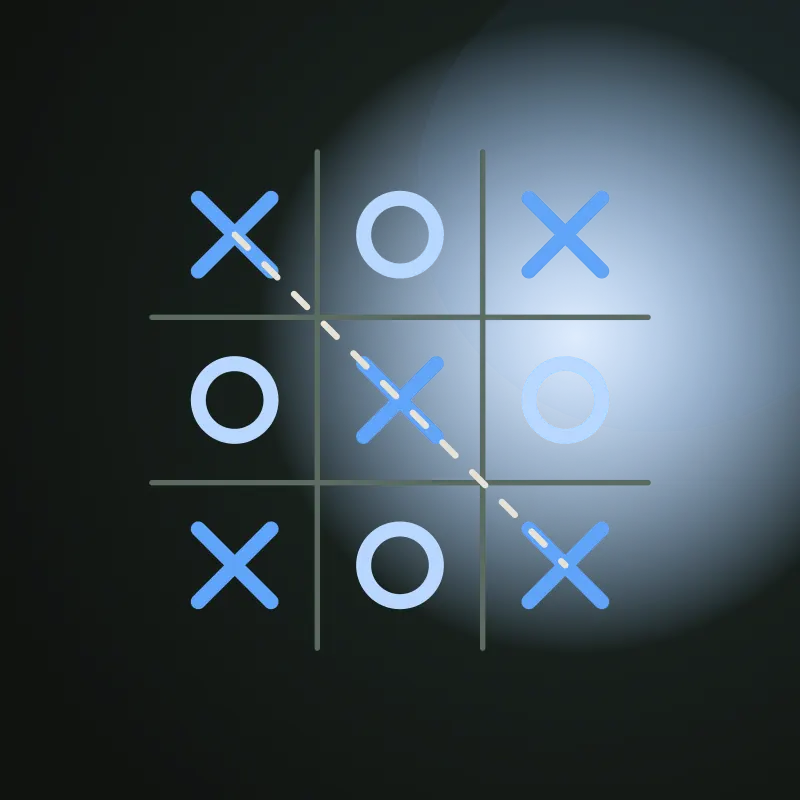
Three columns of large squares at roughly 110 px each, one marker per cell, and no reading at all — the clearest board in the catalog.
Two players, one device.
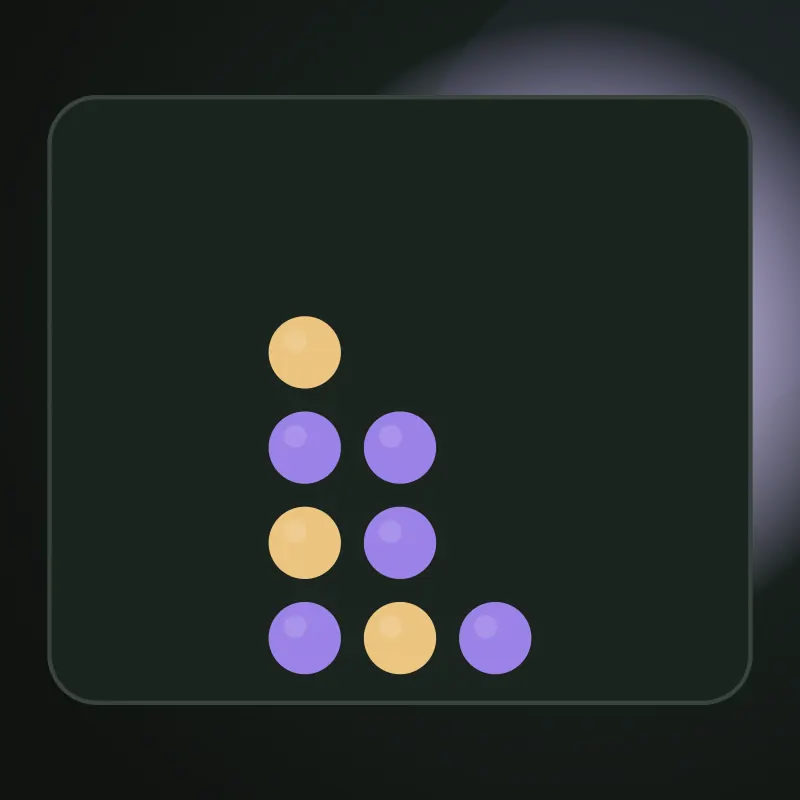
Seven wide columns at about 48 px each with chunky discs; the only decision is which column, so no per-cell detail competes for attention.
Two players, one device.
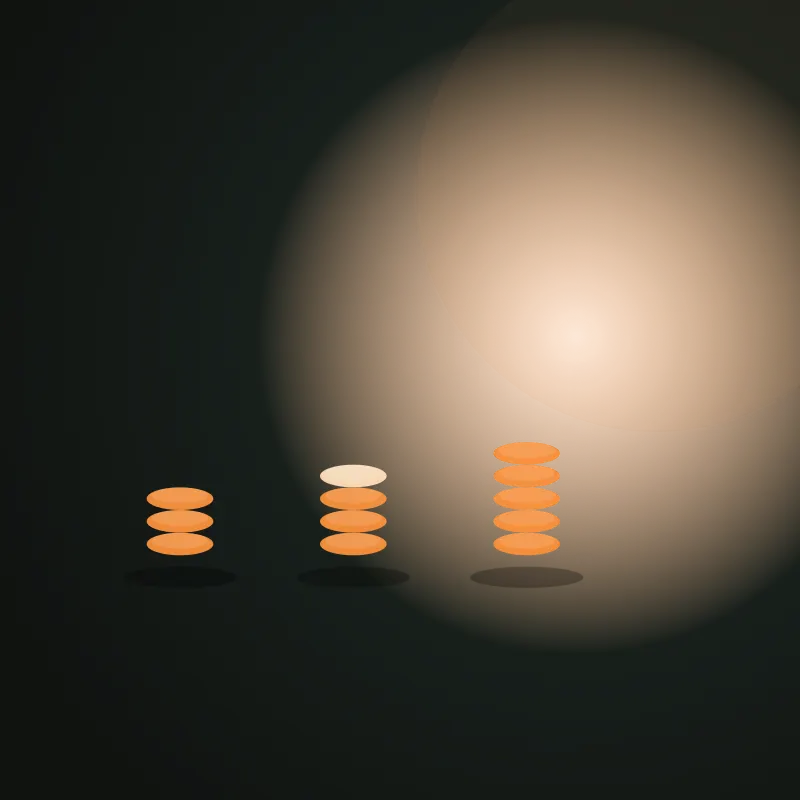
Three piles, each a full-width button on a phone; the whole game is one row of three choices with a big count label.
Pick a color. Step carefully. Take your time.
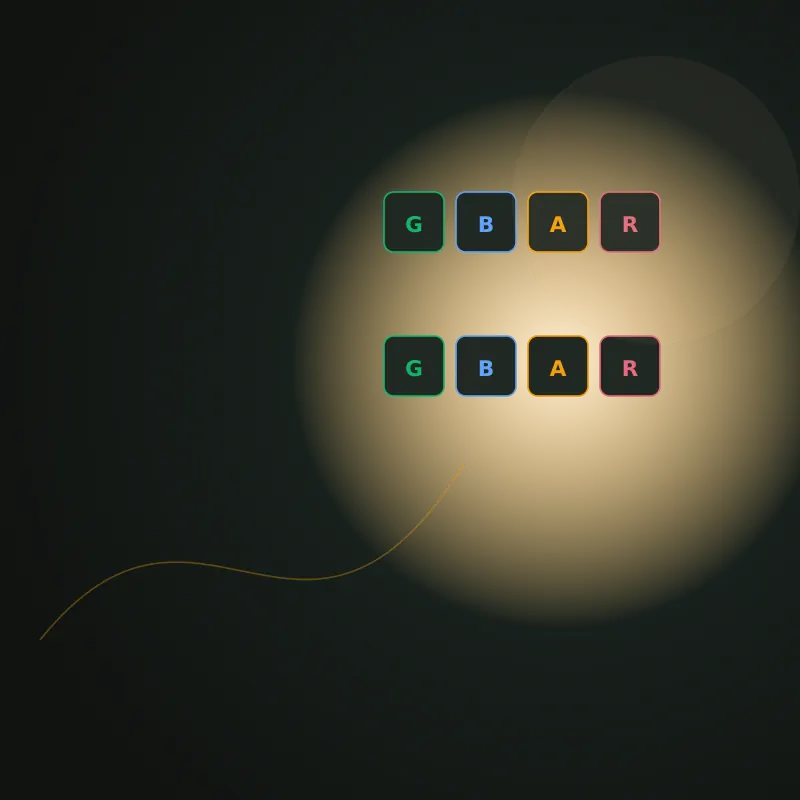
Six large color tiles in the control area and a single falling target per move; turn-based mode keeps the same large tiles without the moving element.
Two players, one device.
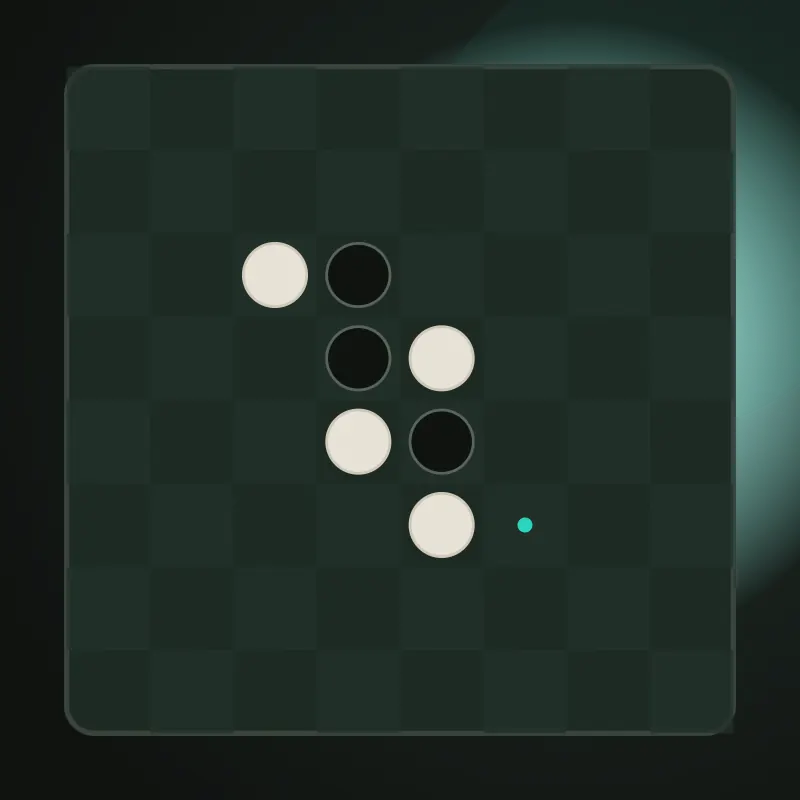
An 8×8 board at about 42 px per square with discs whose color and position are both large; legal-move highlighting uses border, not color alone.
Two players, one device.
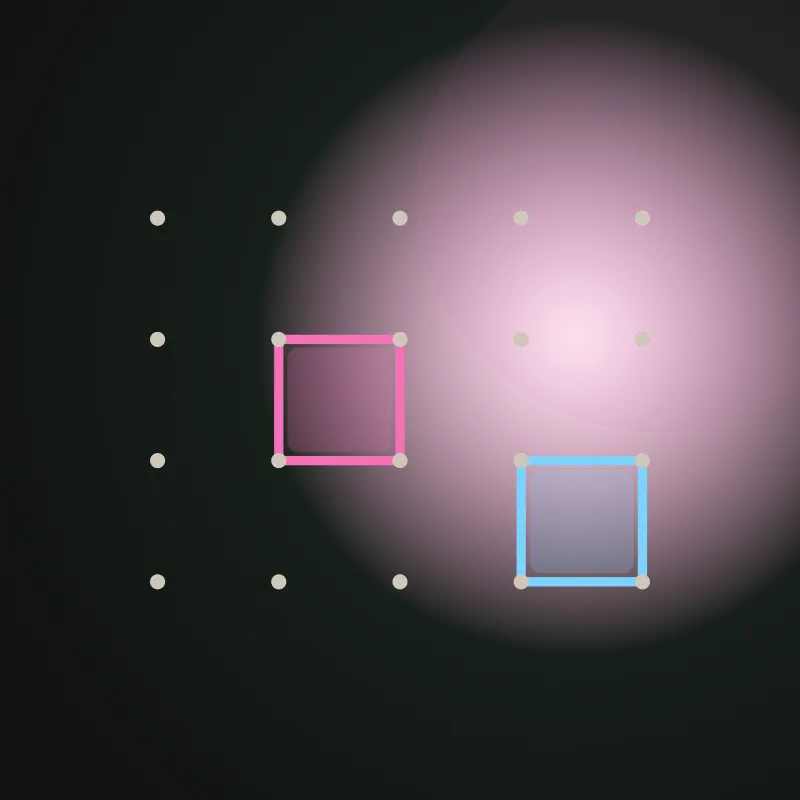
Edges and boxes are about 45 px on a 375 px screen; the visual field is a clean grid with no in-cell content until a box is claimed.
Two players, one device.
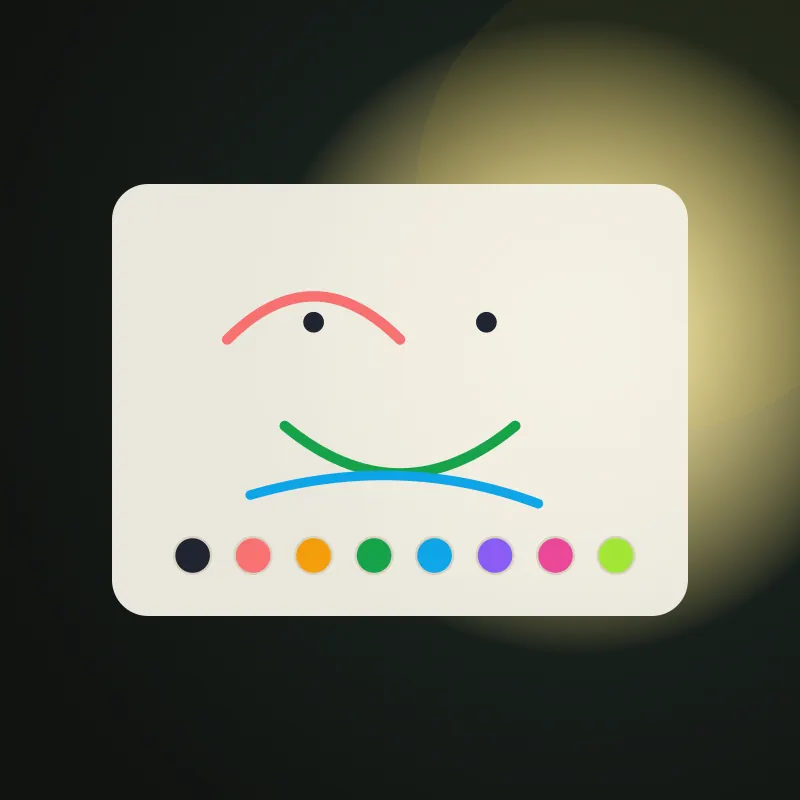
A full-width canvas and four large color buttons; nothing is read to act, and the canvas itself is the target.