
Memory Match
Flip cards. Find pairs.
The matching board counts two-card moves but has no countdown or rising-grid timer, so a run can proceed at the player’s pace.
Reviewed collection
NoCharge games that are untimed by design or provide a meaningful mode without a timing requirement.
Reviewed
Include a current game only when its default play has no timer or it offers a documented mode that removes the timing requirement from the core action.
This collection is about actual timing behavior, not a claim that every game is easy. Word Tile Rush is deliberately excluded because its rising-grid timer starts after the first selected letter and it has no untimed mode.
NoCharge games are designed to open directly without registration. This collection groups titles that share that property so readers can find them without guessing. It is not a ranking and does not imply endorsement of one game over another.
A game is included when its complete play loop requires no account and any retained result stays in local browser storage. We verify this against current code and against the privacy page that documents local keys. Games that require a server profile are excluded.
Each card shows genre, typical session length, and a specific reason tied to its rules. For example, Memory Match retains best moves and best time locally, while Pass & Play titles retain only the most recent match result. No single score spans different games.
You already have what you need: a current browser. No special hardware, keyboard, or pointer is required beyond what each game page documents. If a control feels awkward, check its guide for keyboard alternatives, pointer speed, or touch options. Adjusting an existing device often solves the friction without shopping.
Local storage is device-specific. A different browser, private window, or another device will not have the same saves. This collection does not promise accessibility or comfort for every person. Open the Arcade, pick a game with the session length you have, and play one run. My Arcade will show local progress after meaningful play.
Open the collection page, scan the grid for genre and session length, and open a game that matches the time you have. Each game page documents its controls and links to its definitive guide. No account or purchase is needed.
All games in this collection work without an account and keep results in this browser only. My Arcade shows what this browser already saved. Clearing game data via Privacy removes these local keys without affecting analytics consent.
Browse other curated collections for short breaks, keyboard-friendly play, or untimed modes. Each collection states its inclusion method and explains every member.
Flip cards. Find pairs.
The matching board counts two-card moves but has no countdown or rising-grid timer, so a run can proceed at the player’s pace.
Pick a color. Step carefully. Take your time.
Turn-based mode replaces the moving checkpoint with separate Cycle color and Step forward actions and has no timing requirement.
Cover every cell. Overlap nothing.
All 24 exact-coverage puzzles are untimed; progress depends on placement accuracy and beacon count rather than speed.
Two players, one device.
Every mode is untimed with no penalties; the handoff screen waits for both players however long the table needs.
Two players, one device.
Lines are drawn without any clock, and the box-completion flash is purely feedback rather than a timed event.
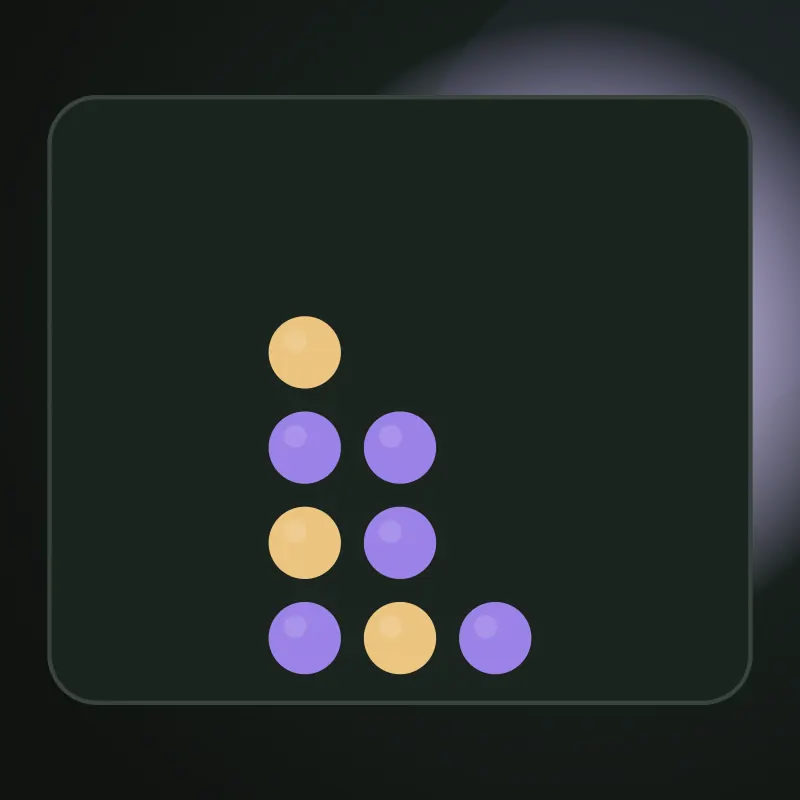
Two players, one device.
Discs drop without a countdown, and the fall animation is decoration that reduced-motion players do not see at all.
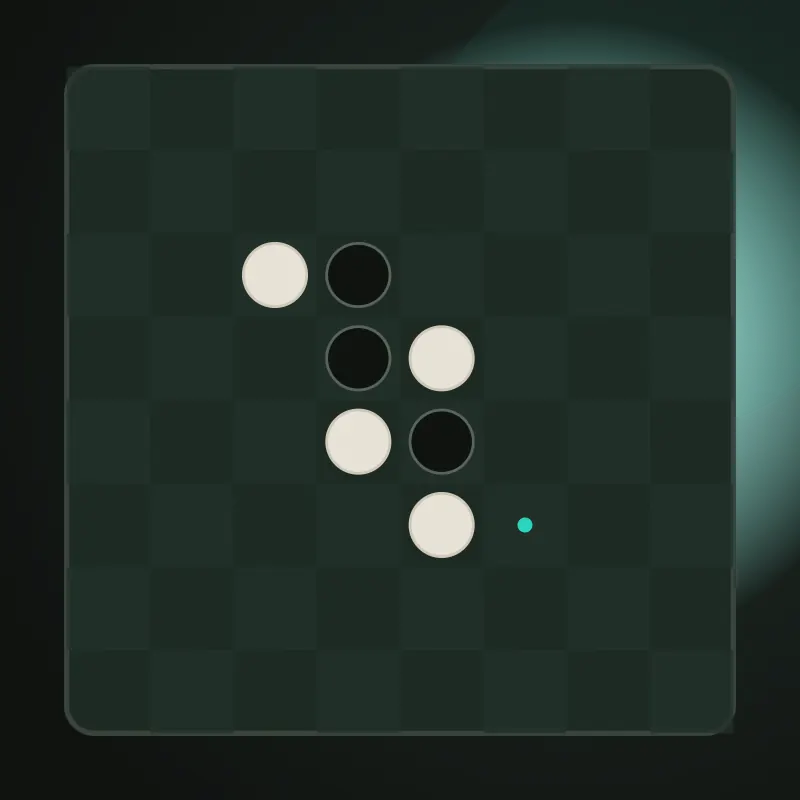
Two players, one device.
Placement and flipping are untimed, passes are handled by rule rather than by clock, and the result is a final disc count.
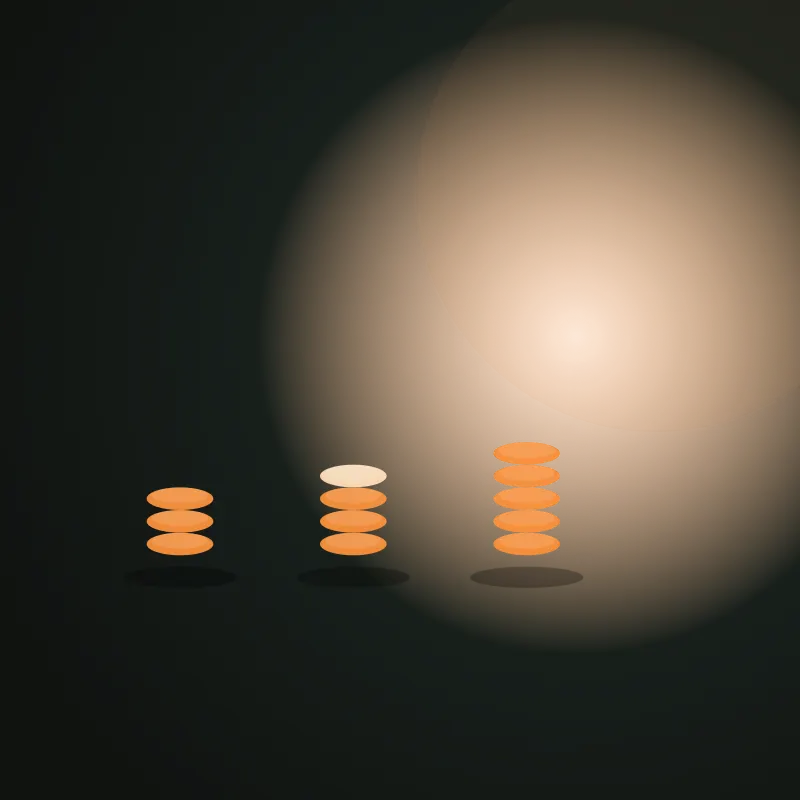
Two players, one device.
Rounds have no timer and no forced pace; the only pressure is leaving the last token for the other player.
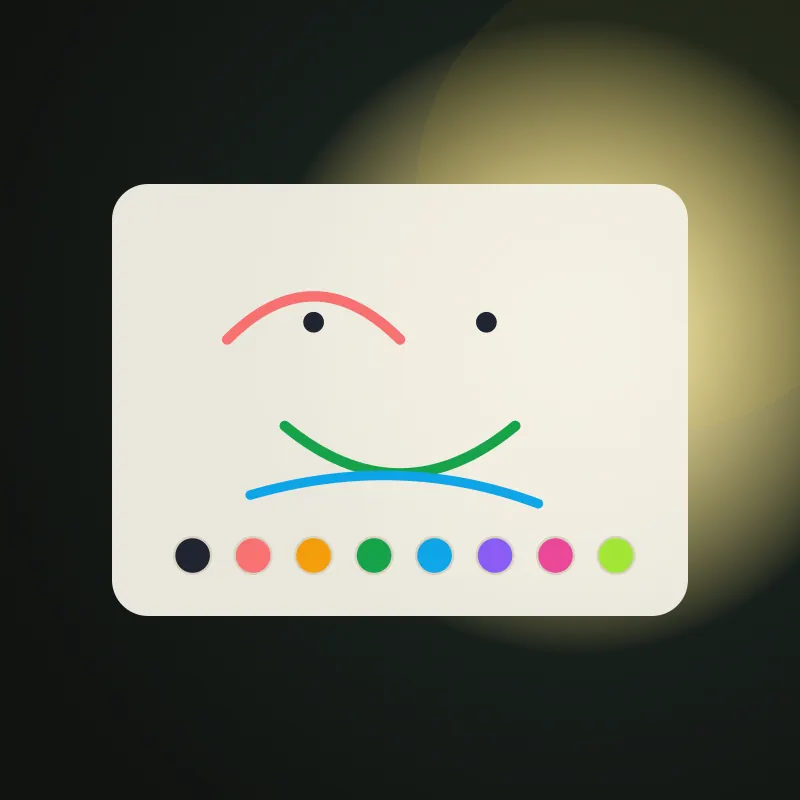
Two players, one device.
Strokes wait for their pass, the canvas has no clock, and the finished picture is the whole result — nothing is scored.
Classic solitaire. Draw one or three.
No timer or countdown. Moves are counted as a personal record but there is no time pressure.
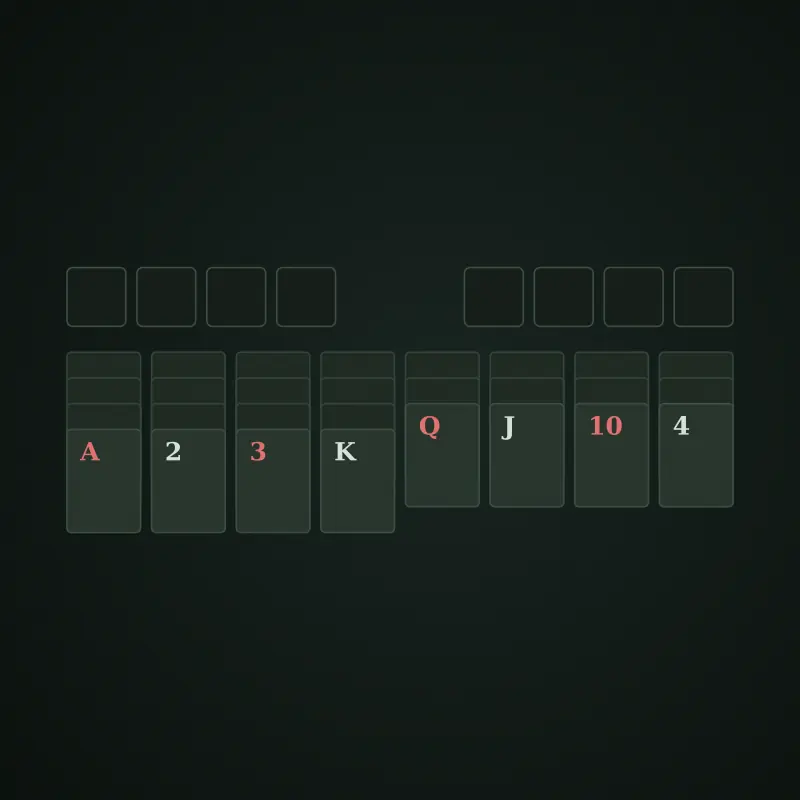
All cards visible. Plan your moves.
All cards are visible and untimed. Play proceeds at the player's pace with no countdown.
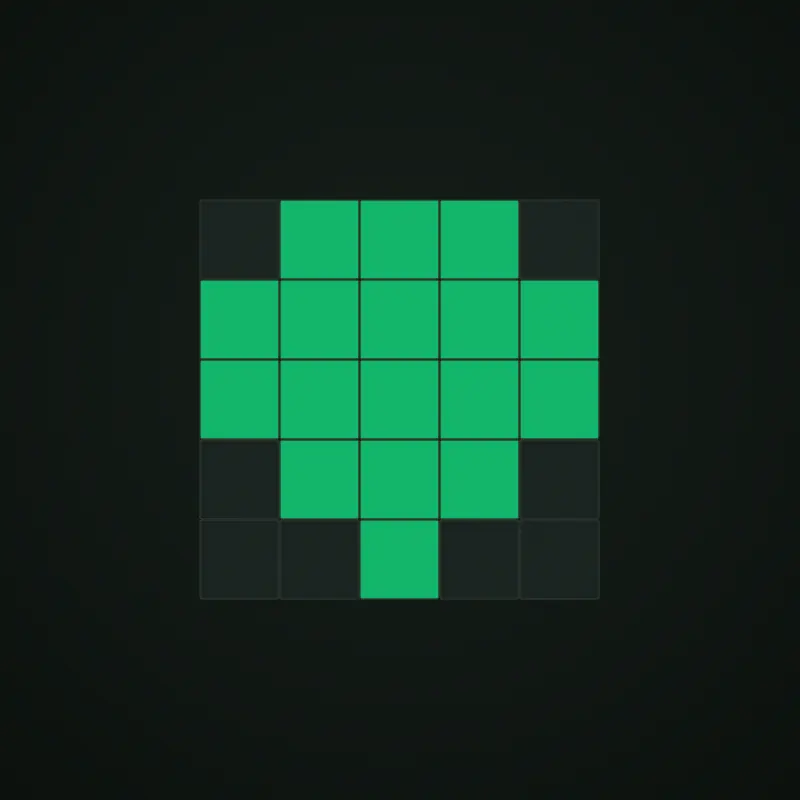
Follow the clues. Reveal the picture.
No timer, no fail state, no streak. Mark cells freely until the puzzle is solved.
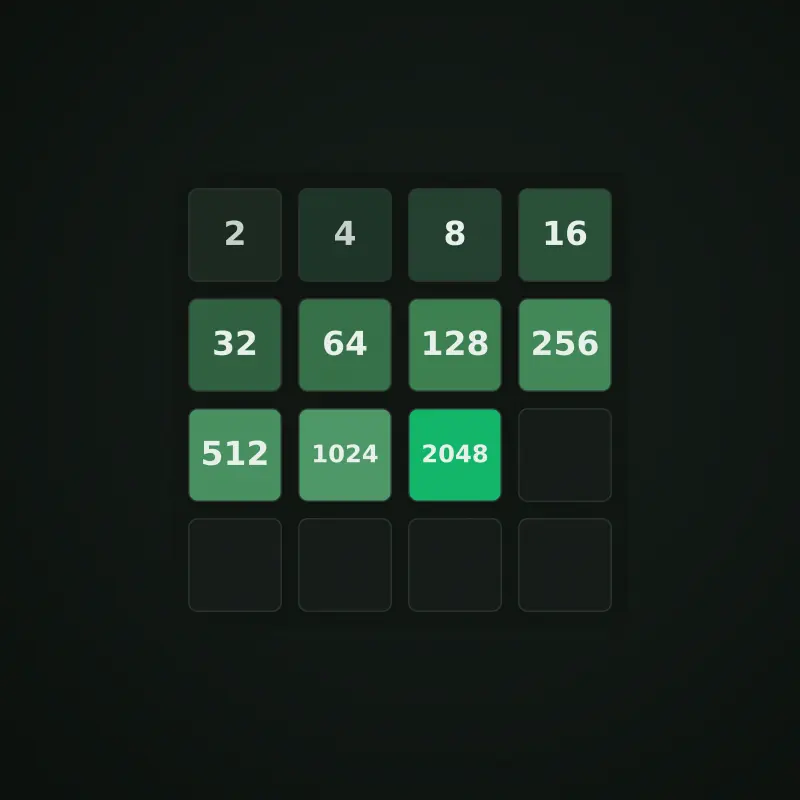
Slide tiles. Merge doubles.
No timer, no daily challenge, no streak. Tiles slide at the player's pace.
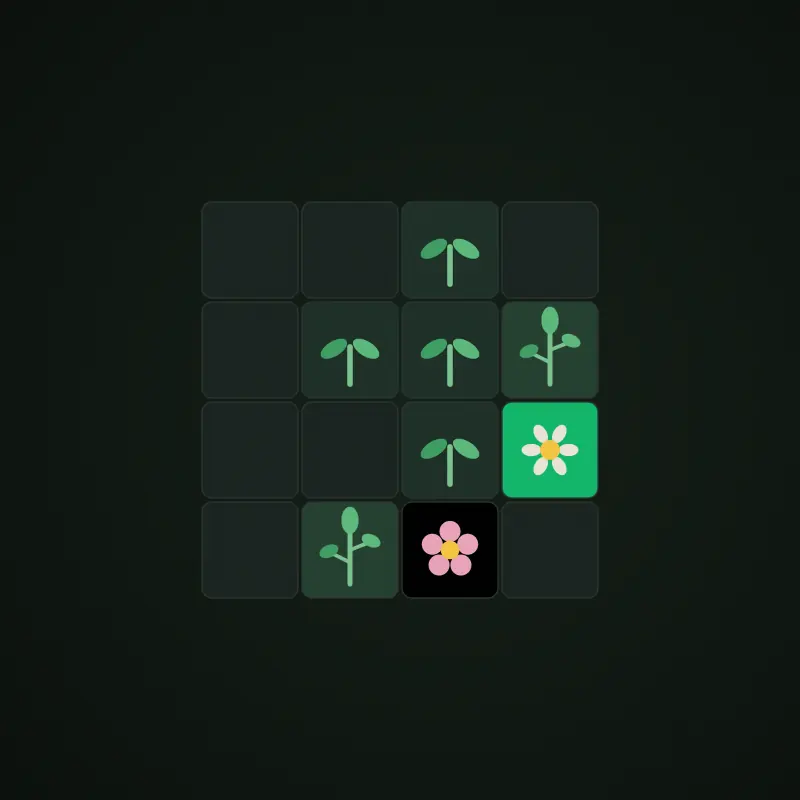
Plant seeds. Grow flowers. No rush.
No timer, no lives, no energy system, no streak. Seeds appear at a calm rate with no gatekeeping.
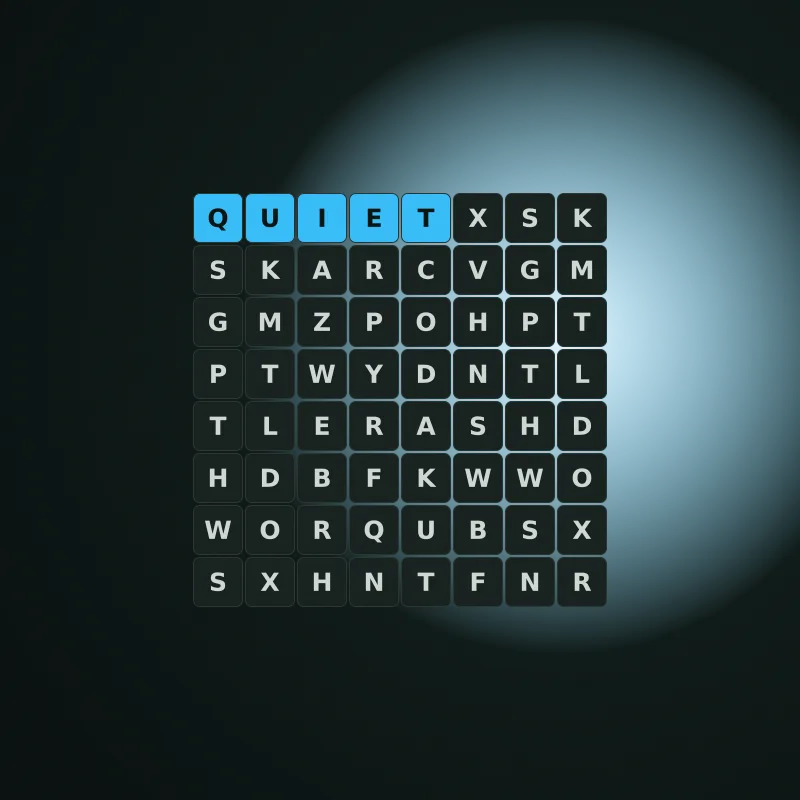
Find words at your own pace.
A calm grid with direct keyboard selection and no timer, account, or competitive pressure.
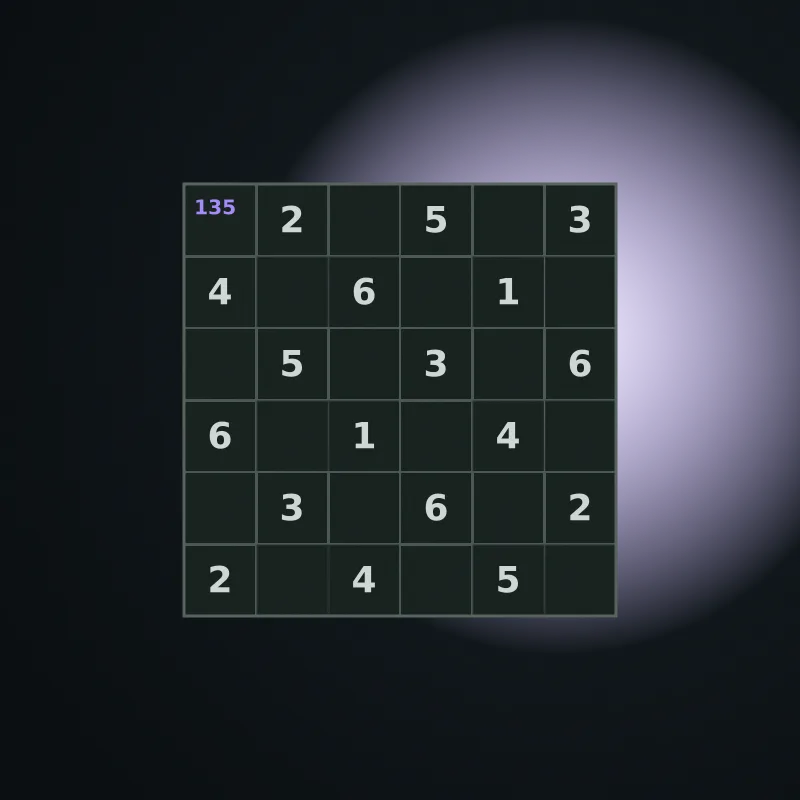
A small grid, a quiet puzzle.
A small keyboard-friendly logic puzzle with no timer, account, or competitive pressure.
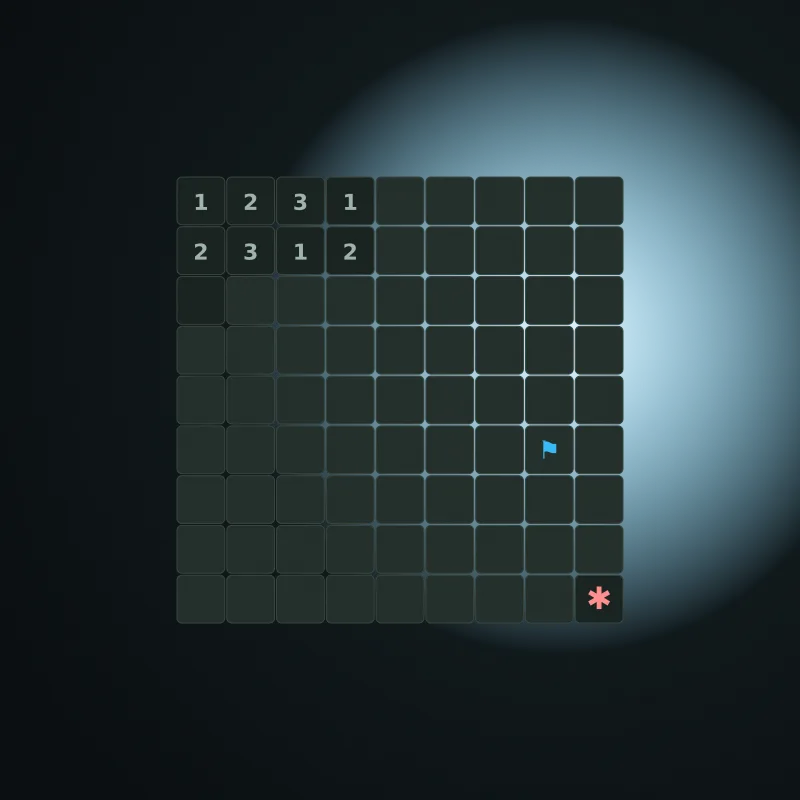
Clear the field, one safe cell at a time.
There is no timer during play; elapsed time is recorded only after a clear and never shown as pressure.
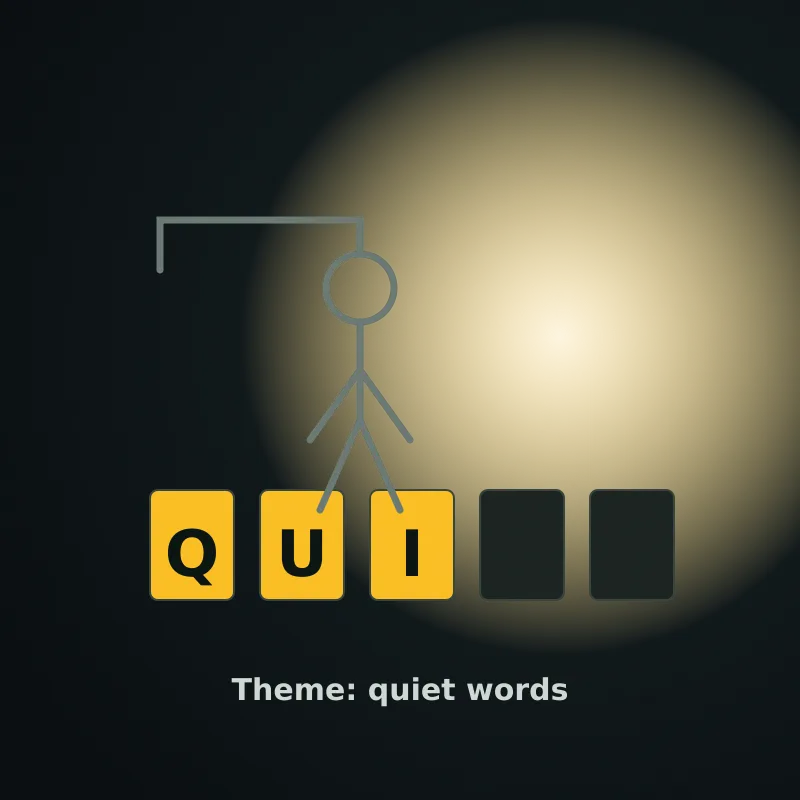
Guess the calm word, one letter at a time.
There is no timer during a round; only the six-miss figure sets the end.
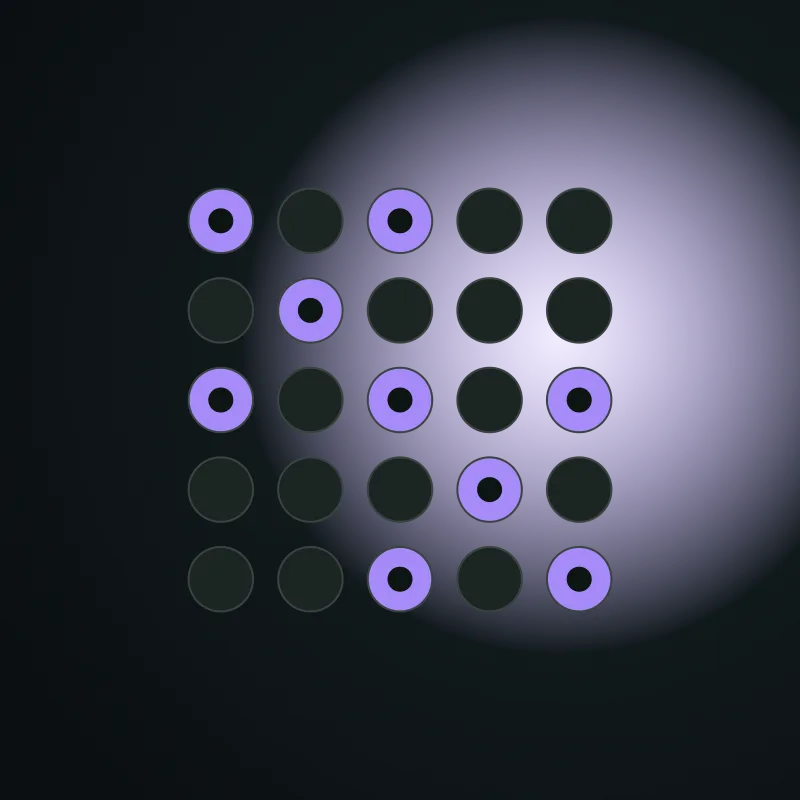
Turn every light off with five-cell toggles.
Presses are unlimited and there is no countdown; the board ends only when every light is off.
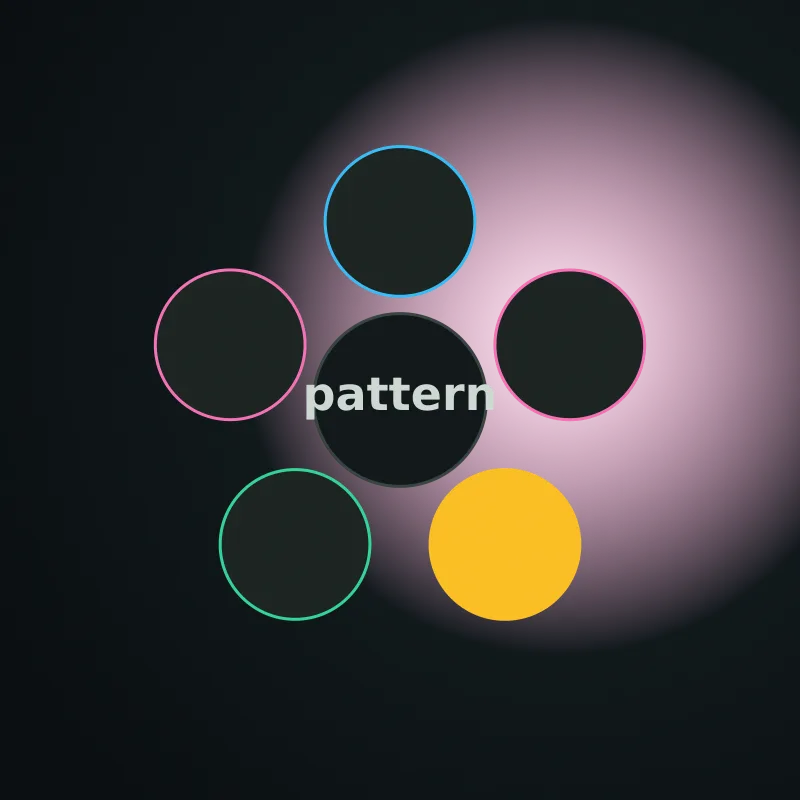
Watch the pattern. Repeat it. No flashing required.
Deciding the next pad takes as long as needed; only the sequence length limits the run.
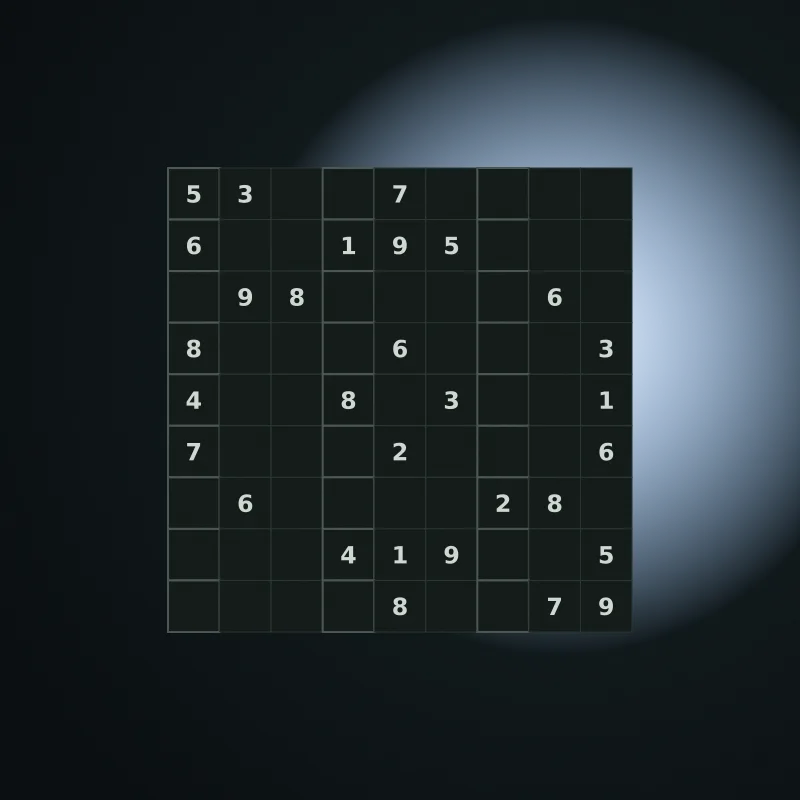
The full grid, at your own pace.
There is no countdown or turn timer; a puzzle ends only when the grid is solved.
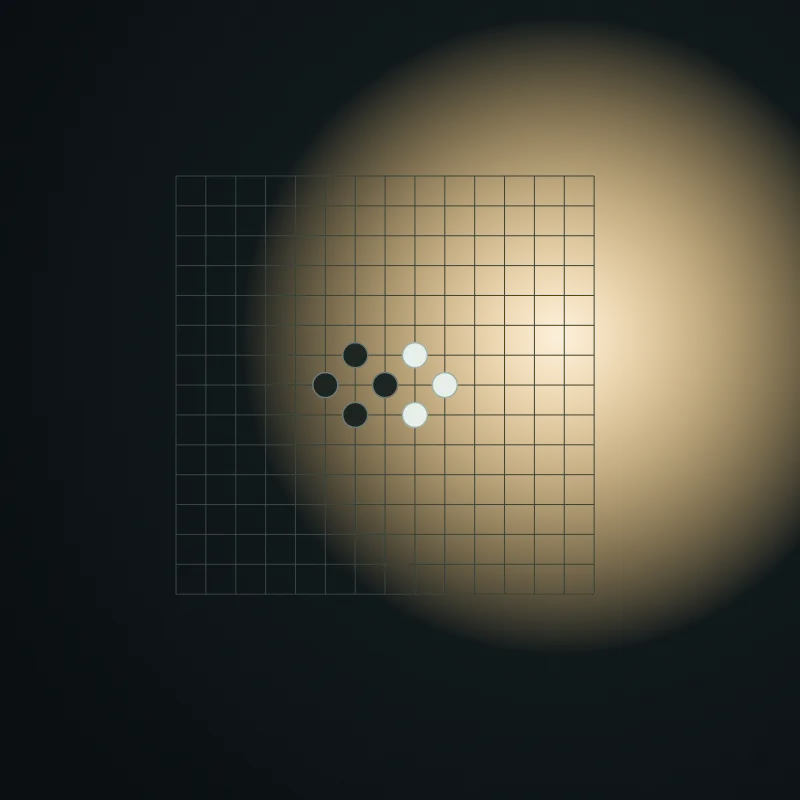
Five in a row, two players, one device.
Stones may be considered for as long as the players want; only five in a row ends the board.
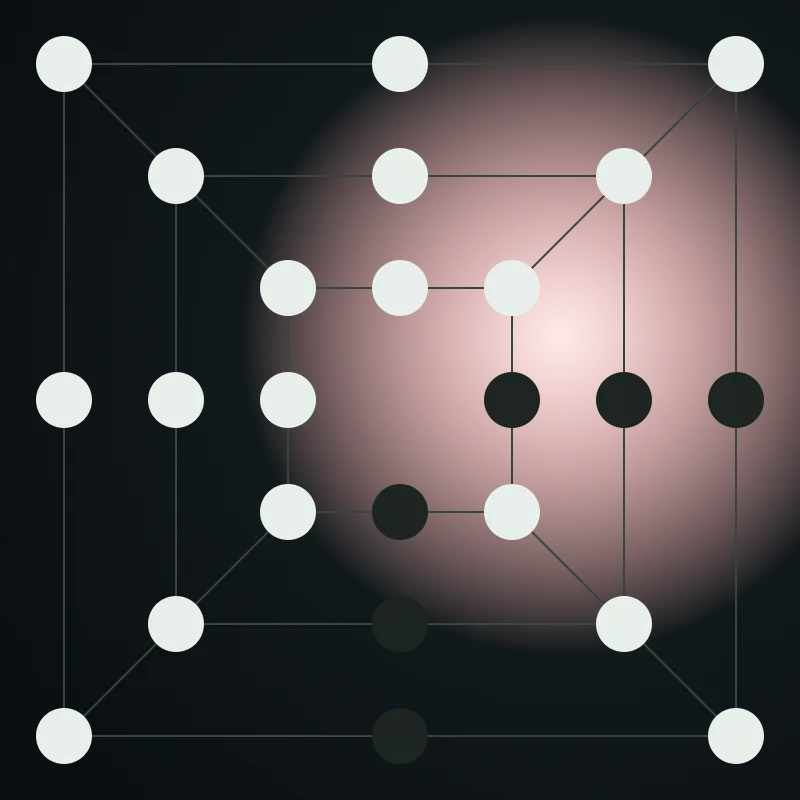
Three in a line. Remove a stone. Outmaneuver.
Placement, movement, and removal have no countdown; only mills and blocked players end the game.
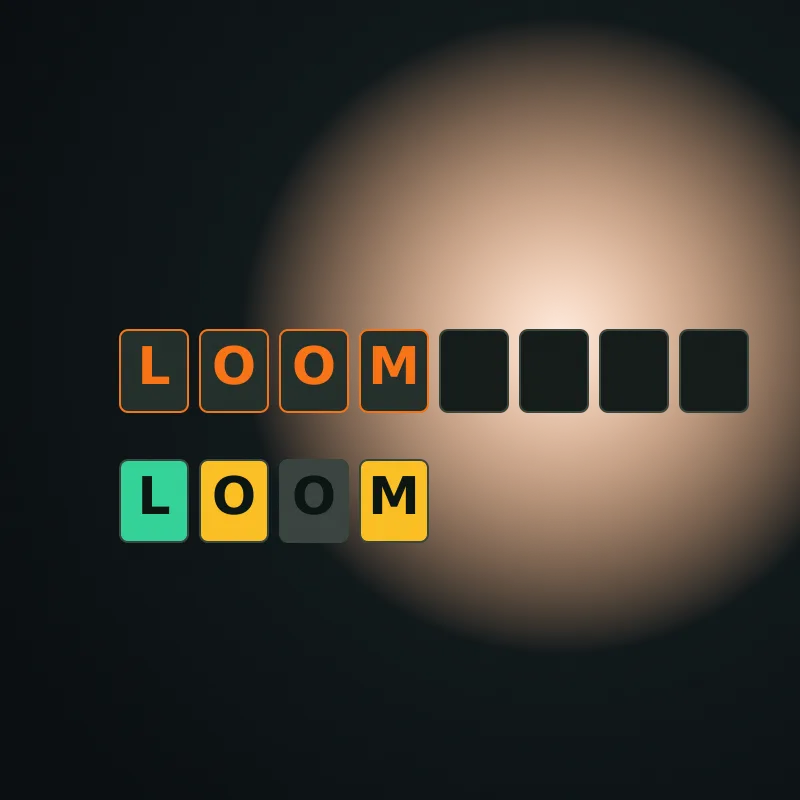
Weave the word. Six guesses, one date.
There is no countdown; six guesses and the word are the only limits.
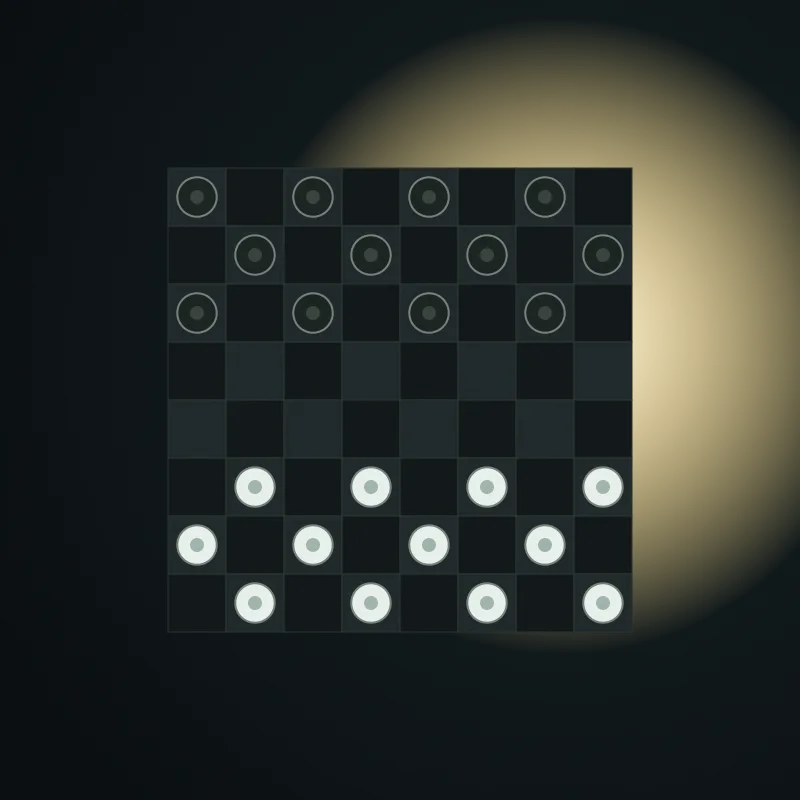
English draughts for two, one device.
Positional play has no clock; the game ends on captures or a block.